
Turn a Video Into a Mind Map Outline
ScreenApp does not draw or export a mind map diagram from your video. What it does: upload a video file, or paste a link from YouTube, TikTok, Instagram, or Facebook, and the AI transcribes the audio and writes a hierarchical outline of the topics and subtopics, in plain text, along with the full transcript. You copy that outline into a mind map tool such as Whimsical or XMind and it becomes the branches of your map.
This page’s job is the transcription and the topic outline, not the diagram itself. If a fast-moving video is the part you do not have time to rewatch and structure, the outline gets you there.
What you get:
- Upload an MP4, MOV, or WebM file, or paste a link from YouTube, Vimeo, TikTok, Instagram, Facebook and most other public video links (Twitch, Loom, Dropbox, Google Drive, Pinterest, X, Threads, Douyin, Kuaishou, Bilibili) through a generic importer
- AI chat with any recording, which you can ask to list the main topics and subtopics as an outline
- chapters with timestamps, so a long video is already split by topic before you ask for the outline
- A full transcript alongside the outline, so you can check anything the AI summarized
- Export the transcript and notes as PDF, DOCX, TXT, SRT and VTT
- Free plan: 2 transcriptions of recordings up to 45 minutes each, with AI chat on it
Working from a PDF, a block of text, or a web article instead of video? Use the AI Mind Map Generator, which covers those source types with the same outline-and-transcript approach. If you want a written summary of the video rather than an outline, use the AI video summarizer.
How to Get a Mind Map Outline From a Video
- Add your video: Upload an MP4, MOV, or WebM file, or paste a link from YouTube, Vimeo, TikTok, Instagram, Facebook and most other public video links (Twitch, Loom, Dropbox, Google Drive, Pinterest, X, Threads, Douyin, Kuaishou, Bilibili) through a generic importer. You do not need to download the video first.
- Let the AI read it: Transcription and chapters with timestamps run first, so the video is already broken into topics before you ask for anything else.
- Ask for the outline: Use AI chat with any recording and ask it to list the main topics and subtopics. Copy that list into your mind map tool and build the diagram there.
Outline quality depends on the audio and how clearly the video is structured. A lecture or tutorial with a clear topic order gives a cleaner outline than a video with cross-talk or music over the speech. See how we measure accuracy.
Import a Video Link Instead of Uploading
You do not have to download anything first. Paste the link and ScreenApp imports the video, transcribes it, and prepares it for the outline. The importer covers YouTube, Vimeo, TikTok, Instagram, Facebook and most other public video links (Twitch, Loom, Dropbox, Google Drive, Pinterest, X, Threads, Douyin, Kuaishou, Bilibili) through a generic importer.
YouTube to Mind Map Outline
Paste a YouTube video or Shorts URL. Good for lectures, tutorials, and long talks where you want the topic list on one page instead of rewatching the whole video.
TikTok to Mind Map Outline
Paste a TikTok link and the tool transcribes the spoken content, ready for AI chat with any recording to turn into an outline. Useful for turning a run of tips or a tutorial series into one reference list.
Instagram Reel to Mind Map Outline
Paste an Instagram Reel or post URL. The audio is transcribed, so a fast-moving reel becomes a structured topic list instead of a video you have to replay.
Facebook Video to Mind Map Outline
Paste a Facebook video link to get a topic outline from webinars, interviews, and recorded lives without saving the file first.
Recorded a Zoom, Google Meet, or Teams call instead? Upload the recording and outline that the same way.
Video to Mind Map Outline vs Diagram Tools
| Feature | ScreenApp | MindMap AI | Mapify | Whimsical |
|---|---|---|---|---|
| Draws the diagram | No, writes a text outline | renders and lets you edit the mind map as a visual diagram in the browser | renders the mind map as a visual diagram and exports it as an image, PDF or Markdown file | renders the mind map as an interactive, editable diagram on its canvas |
| Video or YouTube input | Yes, upload or a link from YouTube, Vimeo, TikTok, Instagram, Facebook and most other public video links (Twitch, Loom, Dropbox, Google Drive, Pinterest, X, Threads, Douyin, Kuaishou, Bilibili) through a generic importer | Not stated as a recorder; accepts audio/video files | Accepts audio, video, and YouTube links | Not stated |
| Free plan | 2 transcriptions, up to 45 min each | 50 AI credits/month | 30 AI credits (one-time) | 10 AI credits per member |
| Paid plan | $19/month annual | $7.99/month annual | $11.99/month annual | $10/month |
Sources, checked 2026-09-17: ScreenApp pricing, mindmapai.app, mapify.so, whimsical.com/ai/ai-mind-maps, mindmapai.app/pricing, mapify.so/pricing, whimsical.com/pricing
- vs MindMap AI: MindMap AI renders and lets you edit the mind map as a visual diagram in the browser, with 50 AI credits a month on the free plan and Pro at $7.99 a month billed annually. ScreenApp does not draw the diagram; it gets the video transcribed and outlined so you can build the diagram elsewhere.
- vs Mapify: Mapify renders the mind map as a visual diagram and exports it as an image, PDF or Markdown file, and the free plan gives 30 AI credits as a one-time allowance, with Pro at $11.99 a month billed annually. ScreenApp’s job stops one step earlier: video in, transcript and outline out, no diagram.
- vs Whimsical: Whimsical renders the mind map as an interactive, editable diagram on its canvas, starting from a text prompt, with 10 AI credits per member on the free plan and Pro at $10 a month. ScreenApp is the step before that for a video source: it gets the topic structure out of the footage so you have something to paste into Whimsical.
Who Uses a Video to Mind Map Outline
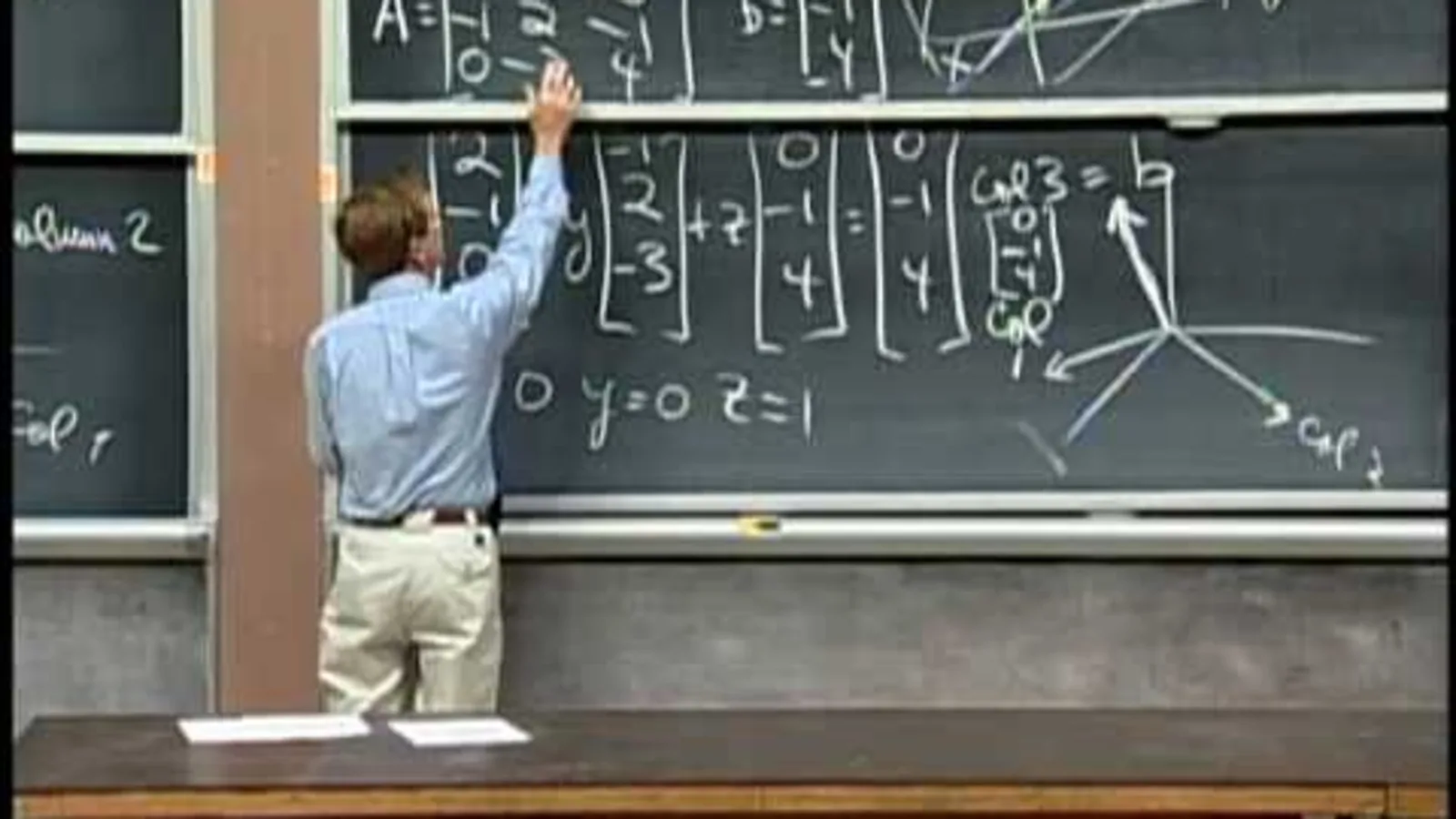
Students turn recorded lectures and YouTube tutorials into a topic list, then build a revision map from it by hand in whatever tool they already use, instead of rewatching an hour-long class.
Researchers turn recorded talks, conference sessions, and interviews into topic outlines, then compare how different speakers framed the same subject side by side.
Content and marketing teams outline webinars, product demos, and podcast episodes to plan repurposed articles, threads, and clips from a single reference list.
Trainers and consultants turn session recordings into a topic outline that becomes the first draft of a course map, then refine the branches themselves.